The Hummingbird & the Marigold Legend tells of the love story of two Aztec youths, Xóchitl and Huitzilin, whose romance gave birth to the cempasúchil (marigold), known as the Day of the Dead flower.
As children, they used to spend all their free time together, playing and exploring their town. Although Xóchitl was very sheltered, her family allowed her to join Huitzilin’s adventures, and their love blossomed over time.
They particularly enjoyed hiking to the top of a nearby mountain, Popocatépetl, the smoking mountain (volcano), where they would offer flowers to the Sun God, Tonatiuh. The god seemed to appreciate their offerings and would smile from the sky with his warm rays. It was then, on a particularly beautiful day at the top of the mountain, that Xóchitl and Huitzilin swore that their love would last forever … even beyond death.
One day a war broke out and the lovers were separated as Huitzilin was called to battle to fight, heading out to protect their homeland, and leaving his beloved, Xóchitl, behind.
During combat Huitzilin was seriously wounded and died, and soon the dreaded news of his death reached Xóchitl. She felt her world fall to pieces, her heart completely torn.
She decided to walk one last time to the top of Popocatépetl, the smoking mountain, and implore the sun god, Tonatiuh, to somehow allow her to reunite with her love Huitzilin.
Tonatiuh, moved by her prayers, cast his rays upon her, and gently touched her cheek. Instantly, Xóchitl turned into a beautiful flower of intense yellow and orange … fiery colors as intense as the sun’s rays itself. Tonatiuh turned her into a cempasúchil (marigold): The flower of the dead.
The flower, still a bud, remained closed for a long time, until one day a colibrí (hummingbird), captivated by its fragrance, flew near to it. When the hummingbird lovingly touched the center of the flower with its beak, the cempasúchil (marigold) opened, revealing a gorgeous flower with yellow and orange petals as radiant as the sun, filling the air with a mysterious and lovely scent. It was right then when Xóchitl, recognized that her beloved, Huitzilin, had returned to her as a colibrí (hummingbird) so that they could be together for all eternity.
Xóchitl’s and Huitzilin’s ihiyoltl (breath) rejoined nature, and their tonalli (the spirit/soul that leaves the body) converted to energy to be summoned whenever needed. Their yolia, (the soul that animates the body), traveled to Mictlán, the land of the dead. After finishing their journey in the underworld, they became one with and rejoined ometeotl, the energy of the universe.
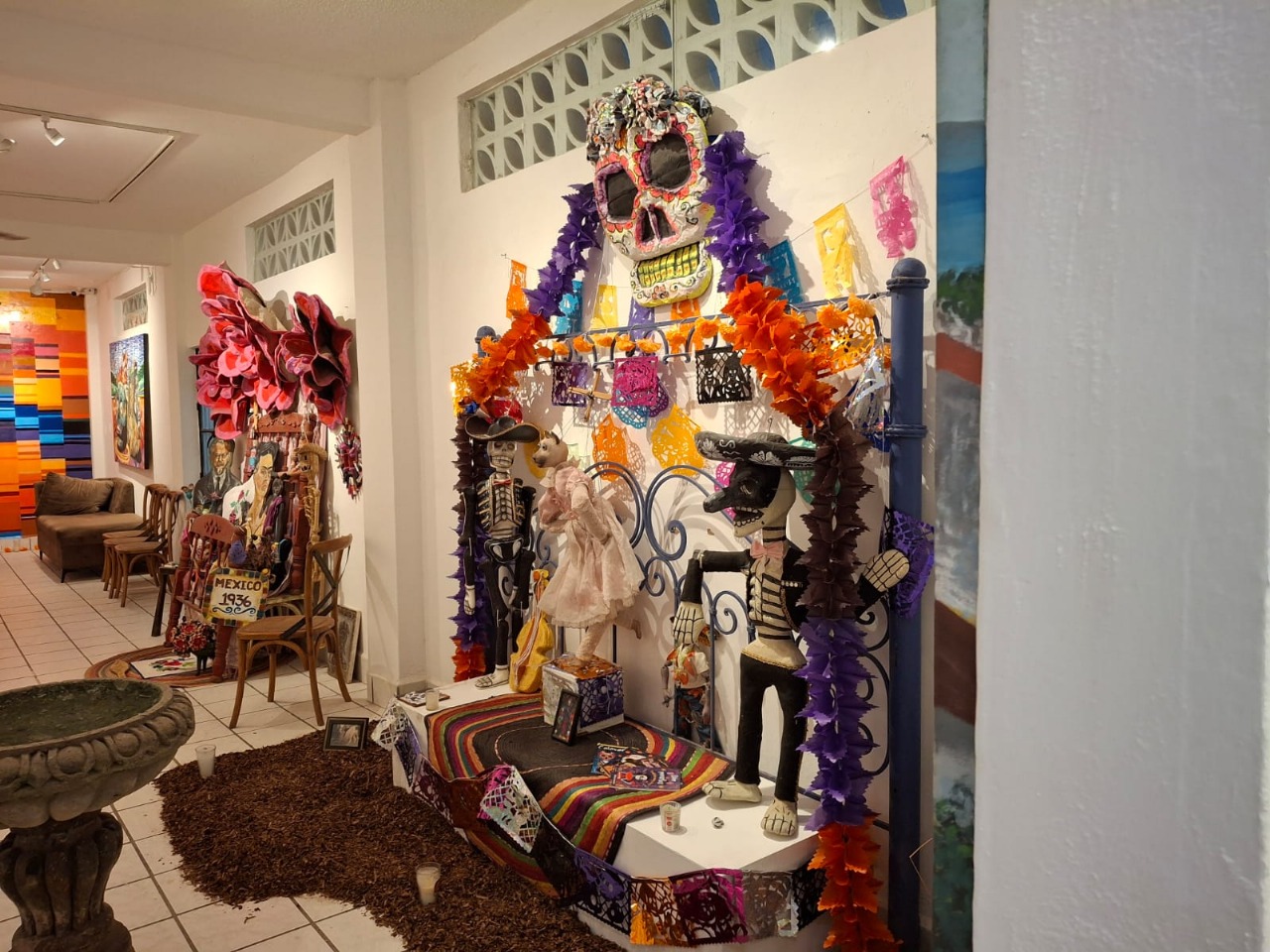
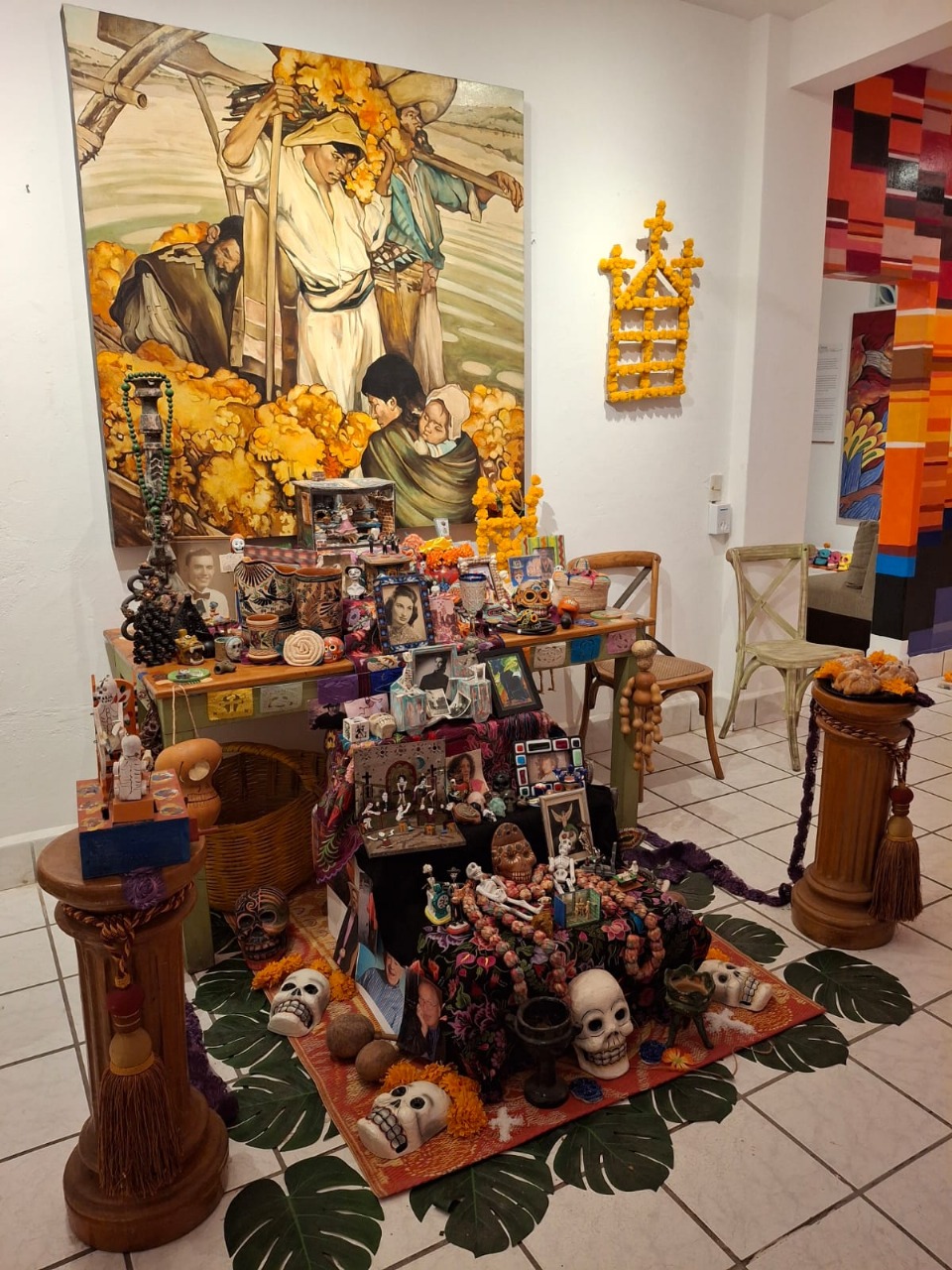
Cempasúchil (marigolds) are believed to be able to guide the souls of the dead in their journey back from Mictlán, the land of the dead, to visit their relatives. Therefore, the tradition marks the laying of paths made with these flowers from the main entrance of houses to the Day of the Dead ofrendas (altars) so that the beloved departed can reach their families and enjoy the feasts prepared for them in their honor.
It is said that as long as cempasúchil (marigold) and colibrí (hummingbird) exist on earth, the eternal love of Xóchitl and Huitzilin will illuminate the journey for the spirits of the deceased to travel between the realms of the living and the dead and never be forgotten.